
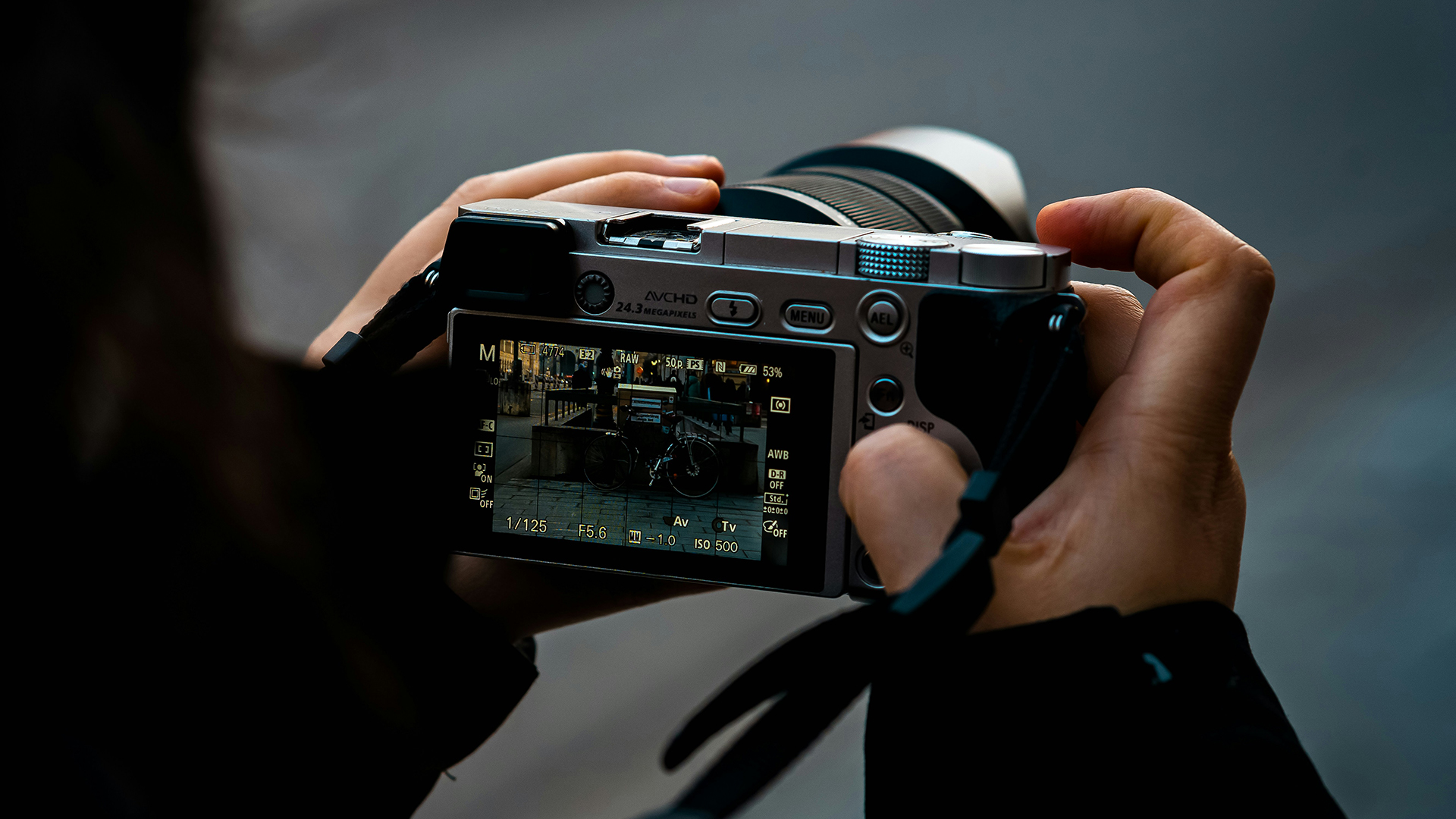
This post is intended for beginners looking to create their own content no matter what type of content that may be (fitness, lifestyle, food, etc). Later in this blog I'll be making recommendations on cameras for budgets up to £500 and budgets up to £1000. If both these price ranges are out of budget, the best best camera is the one you have in your pocket.
Most cameras released within the last 10 years can achieve great quality but the abundance of choice doesn’t make it easier for us to pick one. My first question would be: What camera do you have right now? You may have heard the saying “The best camera is the one you have available to you”. Yep! The most convenient option is a good starting point. Boring!? Perhaps, but it’ll save you some cash.
My second question is: What light do you have available to you? If the location at which you are filming is dimly lit, invest in a light and light stand. This can dramatically improve the quality of your videos.
I’ll make the assumption that you’ve got the best out of your device but it’s not giving you the output you want. My third question is: Do you know the output you want, and the equipment needed to achieve that? Don’t worry, I’ll provide a list down below with some camera recommendations but here are some things you could do.
- Send a message to someone who creates videos that you like the look of, and ask them what kit they are using to create their videos. (doesn’t always work but some people will be happy to let you know)
- Head to camera shops like Wex Photo video and test out some cameras
- Stop by the Apple / Samsung shop to test out their phones
- Visit used dealers like CEX to test out their devices
- Rent some kit on Hyyglo (previously Fat LLama)
- Ask a friend or family member if you can test out their device
Before I list my reccomendations, it’s important to know about one property that makes all camera models unique, this is their sensor size. The sensor is what captures light and turns it into a digital image. In theory, bigger sensor sizes can achieve higher quality images, as it can capture more light. The trade off being that bigger sensors usually means bigger cameras. This doesn’t mean that small sensors are bad quality, especially if you know how to work with them. Mobile phones have small sensors, but they also come with great software processing that helps with the quality of the image. If you want to know more about sensor sizes check out the links below.
The tables below are based on cameras currently on the first-hand market at the time of writing.
£500 budget
| Camera | Ease of use |
| Google Pixel 9a | |
| Nothing phone (3a) pro | |
| DJI Osmo Action 4/5/6 | |
| DJI Osmo pocket 3 | |
| Canon EOS R100 | |
| Sony Vlog ZV-1F |
£1000 budget
| Camera | Ease of use |
| iPhone 16/17 | |
| Samsung Galaxy s25 | |
| Sony Vlog ZV-E10ii | |
| Canon EOS R50 | |
| Fujifilm X-M5 | |
| Sony A6400A | |
| Panasonic Lumix S9 | |
| Canon PowerShot V1 | |
| Canon G7 X Mark 3 |
| Easy to get going |
Requires some learning |
Requires more learning |
Whilst buying a new camera can be exciting you’ll soon realise there will be other items you may need like microphones, media storage and a tripod just to name a few. In a future blog post I’ll talk about all essential items needed to create a full content creating kit